Growing a medical center is not simply about attracting more patients.
A center can increase its appointment volume and still struggle with profitability, operational pressure, staff performance, or inconsistent patient experiences. If growth happens faster than the business can support, it can create new problems instead of solving existing ones.
A sustainable medical center growth strategy needs…
Revenue leakage is one of the most overlooked problems affecting medical centers. A center can have a strong patient volume, experienced doctors, and a growing reputation, yet still lose a significant portion of its potential revenue through operational gaps.
Missed charges, incorrect billing, unpaid balances, delayed insurance claims, appointment cancellations, discounts without proper controls, and poor…
A patient's experience with a medical center starts long before they enter the consultation room.
It can begin with a Google search, a social media ad, a phone call, a WhatsApp message, or a recommendation from another patient. From that first interaction to booking, arrival, consultation, payment, and follow-up, every step influences whether the patient continues…
A medical clinic can be profitable without being scalable.
This is one of the most common challenges healthcare business owners face. A clinic may have strong doctors, a steady patient flow, and healthy monthly revenue, but when the owner tries to increase capacity, open another branch, or reduce their daily involvement, the same problems start…
Running a medical center without tracking the right Key Performance Indicators (KPIs) is like managing a business without knowing whether it is actually growing.
Many medical center managers monitor revenue at the end of the month, but revenue alone does not explain what is happening inside the business. A center may generate strong revenue while losing…
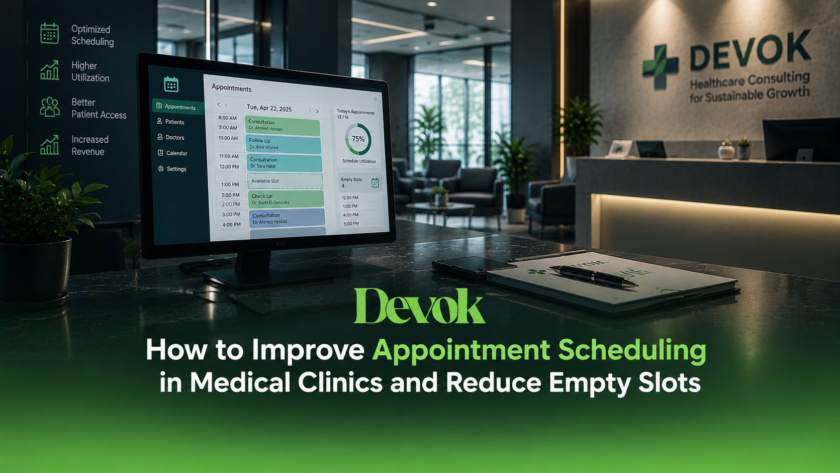
An empty appointment slot may look like a small operational issue, but for a medical clinic, it can represent lost revenue, underutilized staff, and wasted capacity.
A doctor may be available, the consultation room may be ready, and the front desk team may be working, yet the clinic still loses revenue because an appointment was cancelled,…
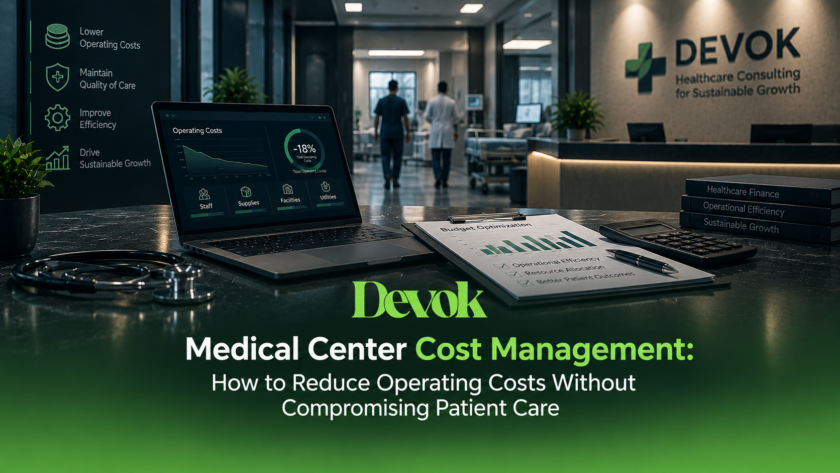
For medical center owners and managers, rising operating costs can quickly turn a growing healthcare business into a less profitable one.
Staff salaries, medical supplies, rent, utilities, technology, maintenance, marketing, and administrative expenses all contribute to the cost of running a medical center. But reducing these expenses blindly can create a bigger problem: lower service quality,…
Introduction
Getting a new patient through the door is only the beginning of the relationship between a medical center and its patients.
For many medical centers, the focus is heavily placed on acquiring new patients through advertising, social media, search engines, referrals, and other marketing channels. However, if those patients do not return when they…
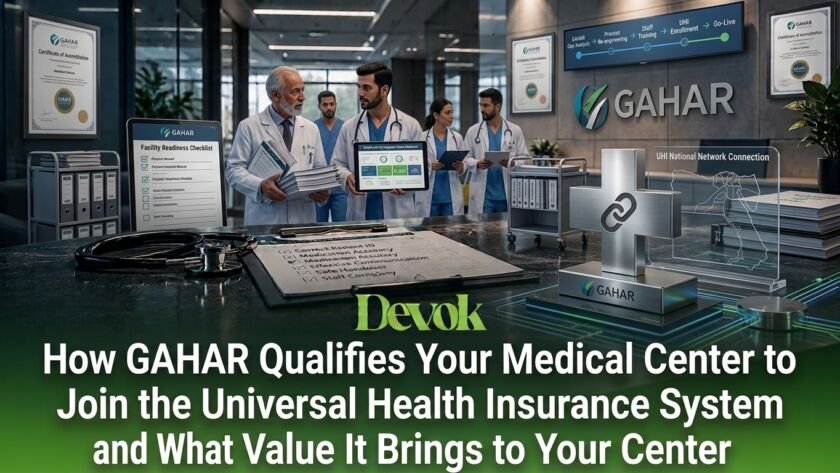
For a medical center owner or manager, GAHAR accreditation should not be viewed simply as a quality certificate to display on the wall.
It can be part of a broader strategy to improve operations, strengthen patient safety, increase trust in the services provided, and create new opportunities to work with healthcare payers and contracting entities within…
Achieving GAHAR accreditation is not only about having written policies and procedures. Effective medical center management also requires the ability to measure performance, analyze results, and use data to drive quality improvement.
This is where Key Performance Indicators (KPIs) become essential.
However, one of the common challenges medical centers face is treating KPIs as numbers that simply…
A GAHAR assessment visit is not simply a day when surveyors arrive at your medical center to review documents and check whether policies exist.
For medical center managers, it is a real test of whether the organization can apply quality and patient safety standards consistently in daily operations, not just document them on paper.
This is where…
Patient safety is not simply a requirement that medical centers need to meet to achieve GAHAR accreditation. It is not the responsibility of the quality department or infection prevention team alone.
It is a fundamental part of how the entire medical center operates.
From the moment a patient enters the facility, through registration, assessment, diagnosis, treatment, and…